
Quantitative Trading: A Simple Guide to Data and Algorithms
Imagine making investment decisions based on precise data analysis and powerful computer algorithms. Quantitative trading drives this process by using math, statistics, and advanced programs to uncover market trends. Investors analyze market data, which helps them decide when to buy or sell stock...
- #Stocks Guide
Imagine making investment decisions based on precise data analysis and powerful computer algorithms. Quantitative trading drives this process by using math, statistics, and advanced programs to uncover market trends. Investors analyze market data, which helps them decide when to buy or sell stocks with greater confidence and reduced emotional bias.
What Is Quantitative Trading?
Quantitative trading uses data-driven strategies to trade stocks. Traders build computer algorithms that identify patterns in market behavior, rather than relying on feelings or news. For example, a program might monitor stock prices every second and detect that a stock often rebounds after a slight morning drop. The algorithm then triggers trades to capture these small gains.
How Quantitative Trading Works
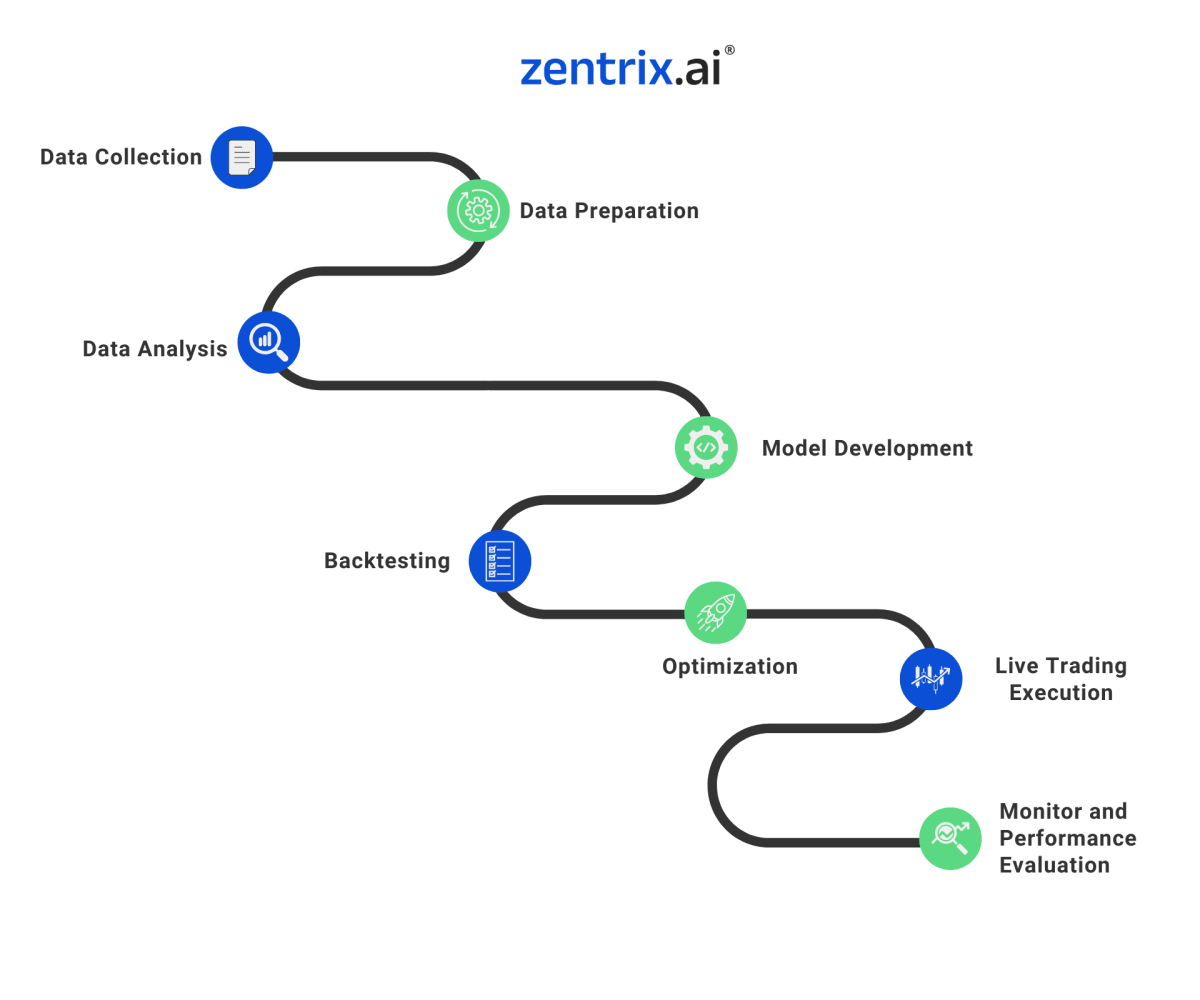
Traders collect historical market data such as stock prices, trading volumes, and economic indicators. They use this data to build mathematical models that detect profitable patterns. When a model spots favorable conditions, it generates a clear strategy for trading. Traders rigorously test these models on past data to ensure their strategies perform well before deploying them in live markets. Once proven, these models drive real-time trading as computers execute orders immediately.
Benefits of Quantitative Trading
Quantitative trading empowers investors with speed and precision. Computers quickly scan thousands of stocks, allowing you to seize opportunities much faster than manual analysis would allow. This active approach detects trends that humans might overlook. By following strict mathematical rules, the process also reduces the impact of fear or greed on trading decisions.
Risks and Challenges
Traders face challenges in quantitative trading as well. Financial markets sometimes behave unpredictably, so an algorithm designed for stable conditions might struggle during sudden shifts. Traders must protect against overfitting. Moreover, technical issues like software glitches or connectivity problems can lead to costly errors.
“Financial markets are very dynamic, and quantitative trading models must be dynamic to operate in such an environment successfully.” – CFI
Zentrix MCP
Want this wired into your own AI agent?
Zentrix MCP connects Claude, GPT, and Gemini to live market data and analysis, no copy-pasting numbers into a chat window.
Join the waitlistTools and Technologies
High-speed computers process financial data in real time, while programming languages like Python and R help traders analyze market trends. Traders store historical data in extensive databases and deploy sophisticated algorithms to execute buy and sell orders automatically. These integrated technologies work together seamlessly to boost trading efficiency and accuracy.
Renaissance Technologies exemplifies active quantitative trading. This hedge fund employs advanced mathematical models and machine learning to drive its investment decisions. At the same time, platforms like Zentrix empower a broad range of investors by combining market data, machine learning, and sentiment analysis to enable you to trade more decisively.
Utilizing Quantitative Trading
Quantitative trading transforms how investors approach the market. Investors harness data and algorithms to make faster, more precise decisions while minimizing emotional bias. Although challenges exist, the benefits of rapid analysis and automated execution make this approach increasingly popular. If you want to enhance your trading strategy with artificial intelligence, explore Zentrix for real-time insights and trading signals..