
What is Swing Trading? A Quick Guide for Beginners
Swing trading is a popular trading strategy that appeals to many new investors. Here’s a closer look at what swing trading is, how it stands apart from other trading methods, and why it might be the right fit for those interested in short to medium-term trading. What is Swing Trading? Definition:...
- #Stocks Guide
Swing trading is a popular trading strategy that appeals to many new investors. Here’s a closer look at what swing trading is, how it stands apart from other trading methods, and why it might be the right fit for those interested in short to medium-term trading.
What is Swing Trading?
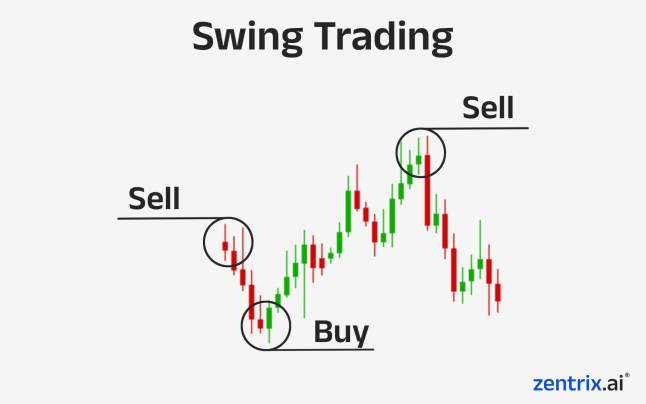
Definition: Swing trading involves holding positions in securities for several days to weeks. The goal is to capture short-term price movements.
Focus: Traders look for “swings” in stock prices, capitalizing on the peaks and valleys of market trends.
How Swing Trading Differs from Other Strategies
Day Trading: Unlike day traders who buy and sell within the same day, swing traders hold onto their positions longer, allowing for more flexibility.
Position Trading: Swing trading is also distinct from position trading, where investors keep their investments for months or even years. Swing traders aim to profit from shorter-term market fluctuations.
Why New Investors are Drawn to Swing Trading
Less Time Intensive: Swing trading requires less constant monitoring of the market compared to day trading, making it easier for new investors to balance trading with other commitments.
Potential for High Returns: By capturing short swings in price, swing trading allows traders to realize gains relatively quickly.
Key Strategies for Success
Swing trading can be an exciting way to engage with the stock market, and success often comes down to effective strategies. Here are some essential tactics that every swing trader should consider to maximize profits and minimize losses.
Technical Analysis
Price Charts: Swing traders rely on price charts to identify trends and potential reversal points. Familiarizing yourself with different chart types, such as candlestick or line charts, can provide valuable insights.
Indicators: Popular technical indicators like Moving Averages (MA) and Relative Strength Index (RSI) help traders assess market momentum and entry/exit points. Understanding how to use these tools is crucial for making informed decisions.
Chart Patterns
Recognizing Patterns: Swing traders look for specific chart patterns, such as head and shoulders, flags, and triangles. These patterns can indicate potential price movements, helping traders to act before the market shifts. Consider utilizing a candlestick pattern quiz to better familiarize yourself with these.
Support and Resistance Levels: Identifying key support and resistance levels helps traders understand where prices may bounce or break. This knowledge aids in setting entry and exit points effectively.
Zentrix MCP
Want this wired into your own AI agent?
Zentrix MCP connects Claude, GPT, and Gemini to live market data and analysis, no copy-pasting numbers into a chat window.
Join the waitlistRisk Management Techniques
Setting Stop-Loss Orders: Implementing stop-loss orders is vital for protecting your investment. These orders automatically sell a security when it hits a predetermined price.
Common Mistakes to Avoid
While swing trading can be a rewarding venture, many new traders often stumble upon common pitfalls that can hinder their success. Here’s a look at some of these mistakes and tips to navigate them effectively.
Emotional Trading
Reacting to Market Movements: One of the biggest traps for new traders is allowing emotions to dictate their decisions. Fear and greed can lead to impulsive buying or selling, often resulting in losses.
Tip: Develop a trading plan with clear goals and stick to it. Having set rules helps minimize emotional influence and keeps your trading disciplined.
Poor Timing
Entering and Exiting Trades: New traders may struggle with timing their entries and exits. Jumping in too early or late can lead to missed profits or greater losses.
Tip: Use technical analysis and chart patterns to identify optimal entry and exit points. Patience is key; wait for confirmations before making a move.
Lack of a Solid Plan
No Defined Strategy: Trading without a well-thought-out plan can lead to chaotic decision-making and unpredictability in trading outcomes.
Tip: Outline a clear trading strategy that includes your risk tolerance, target profits, and criteria for entering or exiting.
Key Highlights
Swing trading offers a dynamic approach for new investors looking to engage with the market. Here’s a recap of the key points discussed:
Understanding Swing Trading: This strategy focuses on holding positions for several days to weeks, capitalizing on short-term price movements while allowing for more flexibility than day trading.
Key Strategies for Success: Utilizing technical analysis, recognizing chart patterns, and implementing effective risk management techniques can significantly enhance trading outcomes and help maximize profits.
Common Mistakes to Avoid: Being aware of emotional trading, poor timing, and the importance of having a solid trading plan can prevent costly errors. Developing a disciplined approach is essential for long-term success.
By incorporating these insights, new swing traders can navigate the market with greater confidence and skill. Remember, the journey of trading is a learning experience, and each decision can contribute to your growth as an investor. Embrace the process, stay informed, and keep refining your strategies!